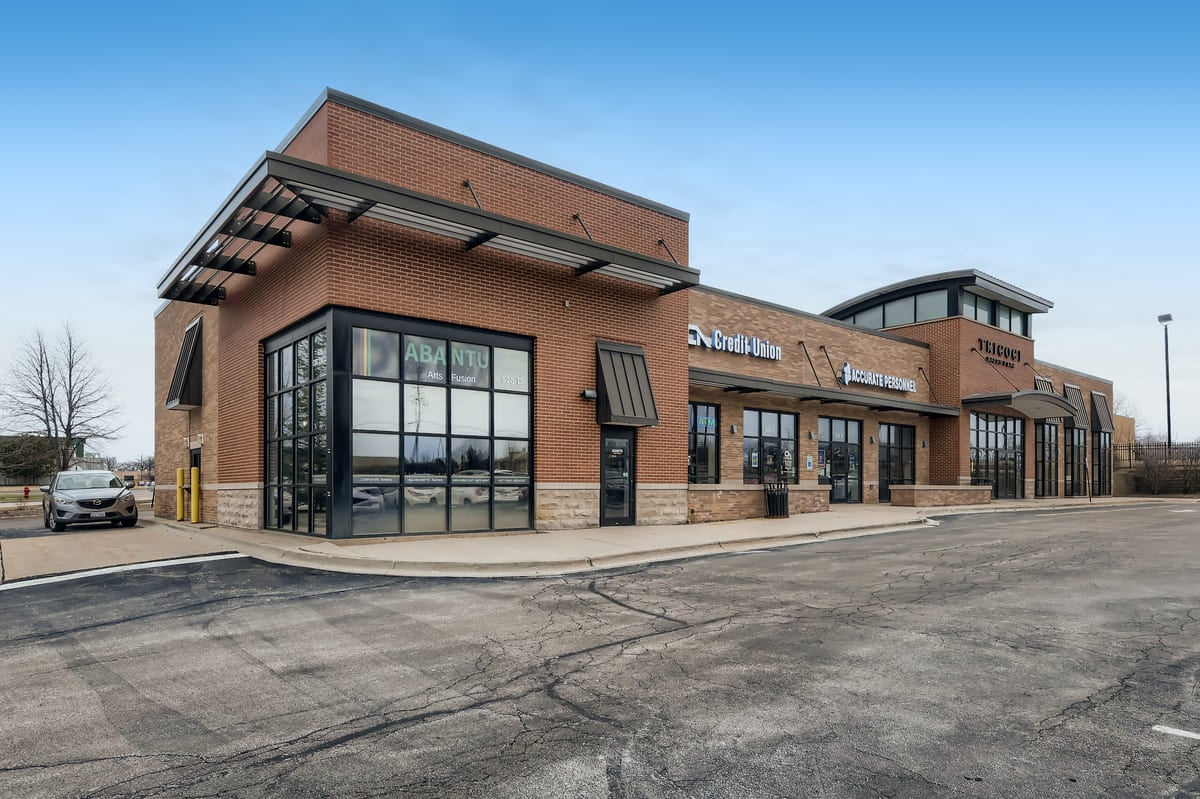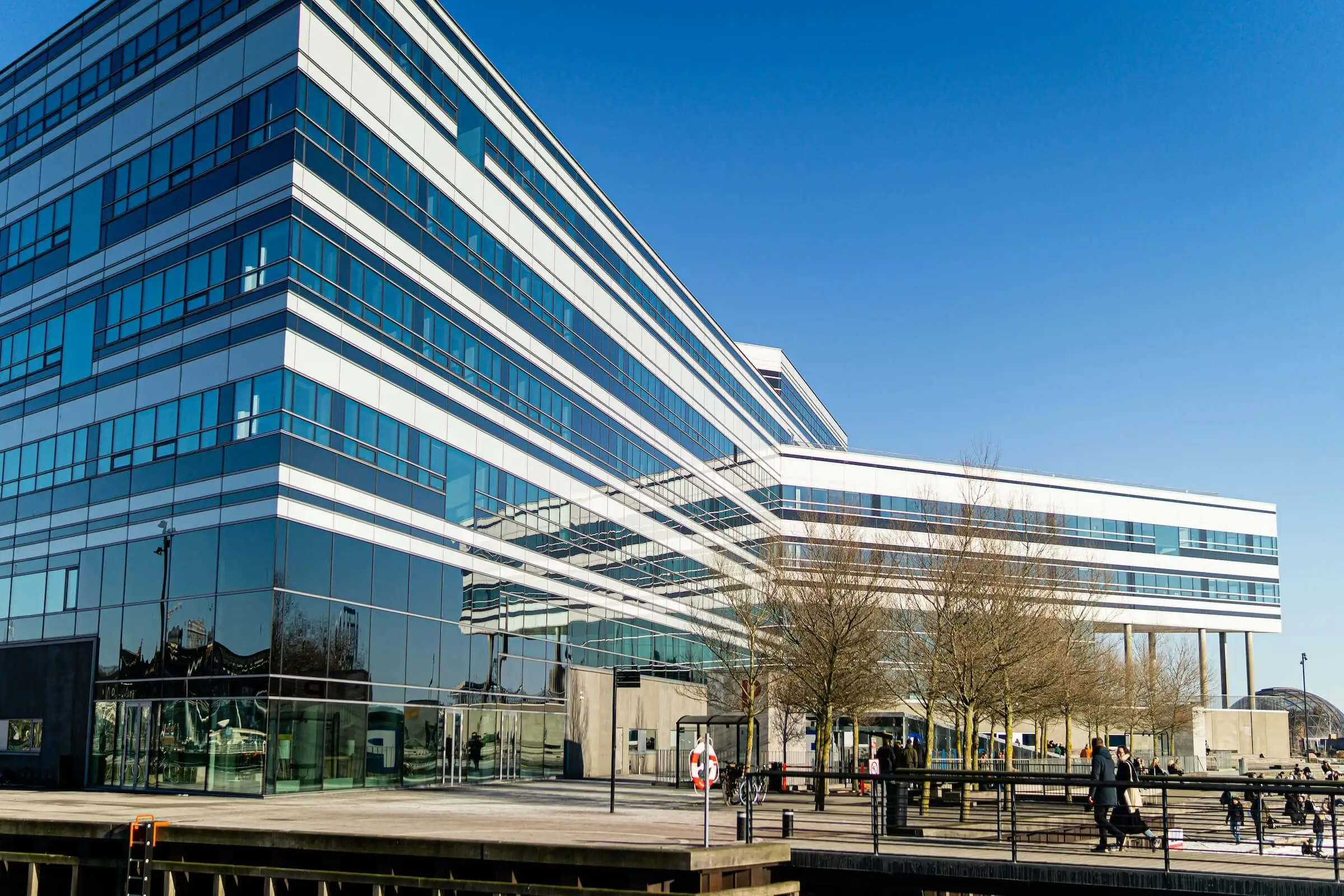
Buying commercial real estate in Chicago can be a rewarding investment, but it’s also a complex process. From defining your investment goals and finding the right property to conducting due diligence, securing financing, and preparing for ownership, each decision can affect your investment's long-term performance. The right approach will also vary based on the property type, your investment strategy, and the Chicago submarket you’re considering.
Drawing on Brian Properties’ more than 50 years of experience in Chicago-area commercial real estate, this guide walks through six key steps for how to buy commercial real estate in Chicago and what to consider at each stage.
Step 1: Define Your Commercial Real Estate Investment Goals
The first step in buying commercial real estate is establishing a clear sense of what you want the investment to accomplish. Are you primarily focused on cash flow, appreciation, or a balanced approach?
If you want predictable income, a single-tenant building with a long-term lease might make sense. If you’re comfortable with more active management and a diverse tenant mix, a multi-tenant property may offer different opportunities for income and long-term growth.
Your investment horizon matters, too. Set a realistic hold period and define your exit expectations early so you can evaluate potential properties, financing options, capital needs, and operating strategies in the context of your longer-term goals.
Determine Your Property and Investment Criteria
Before you begin your property search, set criteria to evaluate opportunities consistently. Consider the property type, location, budget, expected return, risk tolerance, financing needs, and how involved you want to be in the property’s day-to-day operations. Defining these priorities upfront can help narrow your search and keep individual opportunities from distracting you from the investment strategy you originally set.
Step 2: Find the Right Commercial Property in Chicago
Finding the right commercial property for sale requires more than browsing listings. A strong property search combines available opportunities with local market knowledge, operating data, and the investment criteria you established in Step 1.
Use the Right Tools and Data
Start with platforms like LoopNet, CREXi, and CoStar to research available properties and get a sense of property availability and asking prices. But listing information is only a starting point. Evaluate asking rents, projected expenses, occupancy, and other assumptions against current market information and the property’s actual operating performance.
Brian Properties draws on local comparable data and firsthand property management experience to help investors evaluate opportunities based on how commercial properties actually operate.
Evaluate Chicago Submarkets and Market Conditions
The Chicago commercial real estate market includes distinct submarkets, each with its own tenant demand, vacancy, rental rates, property values, and investment conditions. Those differences can be significant between downtown Chicago, suburban communities, and even individual business corridors within the same municipality.
Look beyond the broader market when evaluating a potential acquisition. Consider the specific submarket, property type, surrounding uses, access, tenant base, and competitive properties to understand how the location fits your investment strategy.
Work With Local Commercial Real Estate Experts
Online listings don't always provide the full picture of available opportunities. Local commercial real estate brokers, lenders, property managers, and other professionals may have insight into properties coming to market, ownership circumstances, local operating conditions, or potential off-market opportunities.
Working with an experienced Chicago commercial real estate broker can also help you compare opportunities, understand local submarkets, and evaluate properties within the context of your broader investment goals. With more than 50 years of experience in Chicago commercial real estate, Brian Properties brings firsthand market knowledge and experience across brokerage, investment, leasing, and property management to the property search.
Step 3: Make an Offer and Negotiate the Letter of Intent
Once you’ve identified a target property and determined that it fits your investment criteria, the next stage of the commercial real estate acquisition process is to make an offer and begin negotiations. In many commercial real estate transactions, this starts with a letter of intent (LOI).
What Is Included in a Commercial Real Estate LOI?
A commercial real estate letter of intent outlines the major business terms of a proposed transaction before the parties move forward with a purchase agreement. While the specific terms vary by deal, an LOI may address:
- Purchase price
- Earnest money
- Due diligence period
- Financing contingencies
- Proposed closing timeline
- Other important business terms or conditions
Addressing these points early gives the buyer and seller a framework for moving the transaction forward and helps identify areas that still need to be negotiated before the purchase agreement is finalized.
Prepare for Commercial Real Estate Negotiations
Before negotiating, know which terms matter most to your investment strategy and where you have flexibility. Current market information, comparable sales, property performance, due diligence needs, and financing considerations can all help inform your position.
Experienced representation can also provide valuable perspective. As both commercial real estate investors and brokers, Brian Properties approaches negotiations with an understanding of the transaction itself as well as the operational and financial considerations that can affect the property after closing.
Step 4: Conduct Commercial Real Estate Due Diligence
Commercial real estate due diligence gives you an opportunity to verify your assumptions about a property before completing the purchase. A thorough review can uncover physical, financial, environmental, or operational issues that could affect your acquisition decision, financing, operating budget, or plans for the property.
Inspect the Property
Schedule inspections to evaluate the property’s physical condition and identify immediate repair needs, deferred maintenance, and potential capital expenses. Key areas to review may include:
- Structure
- HVAC systems
- Electrical systems
- Roof
- Rentable square footage
A thorough physical review can give you a clearer picture of the property’s current condition, potential costs, and how those findings may affect your acquisition and operating plans.
Review Financials and Existing Leases
Review the property's rent roll, historical operating expenses, expense recoveries, and other available financial records to determine whether they support the assumptions used during underwriting. Existing leases also deserve careful review because their terms will directly affect the property's income and your post-acquisition responsibilities.
Look at lease structures, such as gross, modified gross, or NNN leases, along with rental rates, expiration dates, renewal options, tenant obligations, and expense-recovery provisions. Tenant creditworthiness and upcoming lease expirations can also affect future cash flow and leasing needs.
Brian Properties routinely reviews leases and operating information as part of managing commercial properties, giving its team firsthand insight into the expenses, recoveries, and lease obligations that can affect an investment after closing.
Review Environmental, Zoning, Title, and Use Considerations
Environmental and property-related reviews are another important part of due diligence. Depending on the property and transaction, this may include a Phase I Environmental Site Assessment, title and survey review, zoning and permitted-use considerations, and additional investigation when concerns are identified.
For properties in Chicago and the surrounding suburbs, requirements can differ by municipality. Buyers should understand how applicable zoning, use restrictions, and other property-specific requirements could affect their intended operations, improvements, or future plans for the asset.
Assemble Your Acquisition Team
Commercial real estate acquisitions often require input from several professionals. Your team may include a commercial real estate broker, attorney, lender, inspectors, environmental professionals, and property manager, with additional specialists involved depending on the property and transaction.
Bringing in a property management partner before closing can be particularly useful when evaluating operating expenses, maintenance needs, vendor requirements, capital planning, and the transition to ownership. That operational perspective can help you understand not just what it will take to purchase the property, but what it may take to operate it successfully.
Evaluating a Chicago commercial property? Brian Properties can help you assess the opportunity from both an acquisition and operational perspective. Schedule a consultation with our team before you move forward.
Step 5: Secure Financing and Prepare for Closing
Financing is an important part of buying commercial real estate in Chicago, and you should consider it well before closing. Your financing structure can affect which properties fit your investment criteria, how you evaluate potential returns, and the requirements that must be completed before the transaction can close.
Compare Commercial Real Estate Financing Options
Commercial real estate buyers may have several financing options depending on the property, transaction, and investment strategy. These can include conventional commercial loans, financing through local or regional lenders, SBA financing for qualifying owner-occupied properties, and private financing.
When comparing options, look beyond the interest rate. Consider the loan term, amortization, required equity, prepayment provisions, recourse requirements, and loan-to-value (LTV) ratio, along with how the financing fits your expected hold period and investment goals.
Your lender may also have property-specific requirements to address before closing, so involving financing professionals early can help you understand what will be required as the transaction progresses.
Prepare for the Commercial Real Estate Closing Process
As due diligence and financing move toward completion, begin preparing for the operational and administrative details of closing. Depending on the property and transaction, this may include completing a final walkthrough, confirming tenant estoppels, finalizing lease assignments and tenant notices, verifying insurance requirements, and coordinating the transfer of utilities and service contracts.
This is also the time to ensure the information gathered during due diligence carries forward into your ownership plan. Identified property maintenance needs, upcoming capital projects, lease obligations, vendor relationships, and tenant considerations should all be accounted for as you prepare to take ownership.
Step 6: Transition From Acquisition to Ownership
Closing on a commercial property is the beginning of the ownership phase. The information gathered during due diligence should now become the foundation for how you operate the property, manage tenant relationships, plan capital needs, and work toward your investment goals.
Build an Operating Plan
Start with an operating plan that addresses deferred maintenance, immediate repairs, planned capital improvements, tenant communication, financial reporting, vendor management, and upcoming lease activity. If a property management team will be involved, introduce tenants to their new points of contact and establish processes for rent collection, maintenance requests, reporting, and other day-to-day operations.
Early planning can also help you prioritize the issues identified during due diligence and determine which improvements or operational changes should be addressed first.
Protect and Improve Long-Term Property Value
Long-term commercial property performance depends on what happens after the acquisition. Ongoing property and asset management can help you monitor expenses, plan capital improvements, manage lease expirations and renewals, maintain tenant relationships, and identify opportunities to improve property performance over time.
Brian Properties helps owners protect commercial property value by bringing together operational and investment expertise across the commercial real estate lifecycle. That full-service perspective allows the team to support an asset throughout its lifecycle, from acquisition and day-to-day operations to future refinancing or disposition.
Chicago Commercial Real Estate FAQs
What should I look for when buying commercial real estate in Chicago?
Start with your investment goals and evaluate each property based on its location and submarket, physical condition, tenant and lease performance, operating expenses, financing requirements, and long-term ownership costs. The right property should fit both your financial criteria and your plans for operating and eventually exiting the investment.
How long does it take to buy commercial real estate in Chicago?
The timeline for buying commercial real estate varies by transaction. Financing, negotiations, property inspections, environmental reviews, due diligence, and closing requirements can all affect how long the process takes. More complex properties or issues identified during due diligence may require additional time.
What are common mistakes first-time commercial real estate investors make?
Common mistakes include underestimating operating and capital expenses, conducting inadequate due diligence, overlooking important lease terms, and evaluating a property based on purchase price or projected income without considering its long-term operating needs. Involving experienced advisors early can help buyers identify issues before closing.
Do I need a property manager before buying a commercial property?
You don’t necessarily need a property manager before purchasing a commercial property, but involving one during due diligence can provide valuable operational insight. A property manager can help evaluate operating expenses, maintenance and capital needs, vendor requirements, existing leases, tenant considerations, and what will be required to transition the property after closing.
Do I need a commercial real estate broker to buy property in Chicago?
You aren’t necessarily required to work with a commercial real estate broker when purchasing a property, but an experienced local broker can provide valuable support throughout the process. A Chicago commercial real estate broker can help identify opportunities, analyze properties and comparable sales, provide local market insight, negotiate transaction terms, and coordinate with other professionals involved in the acquisition.
Plan Your Next Commercial Real Estate Investment in Chicago
Buying commercial real estate is only one part of a successful investment strategy. The decisions made during acquisition can influence how a property operates, performs, and creates value throughout your ownership.
With more than 50 years of Chicago-area commercial real estate experience, Brian Properties supports investors across the full property lifecycle. Our team combines firsthand investment experience with acquisition, brokerage, leasing, and property management expertise to help clients evaluate opportunities, navigate acquisitions, operate their properties, and plan for what comes next.
As an AMO-accredited firm with commercial real estate professionals, Brian Properties combines local market knowledge with the operational perspective that comes from managing and investing in commercial properties throughout the Chicago area.
Schedule a consultation with our acquisition team to discuss your next Chicago commercial real estate investment.
Similar Posts
Oct
How Commercial Brokers Shield Landlords from Costly Mistakes
Commercial property investment is often turned to for its superior ROI, growth opportunities, and as a hedge against negative market forces such as...
Nov
Commercial Real Estate Investment Strategies You Can Count On
Investing in commercial real estate stands as a reliable and profitable strategy. Whether you're an experienced investor or just beginning your...
Jul
How to Choose the Best Chicago Commercial Real Estate Opportunity
While finding the 'best' commercial real estate opportunity is somewhat of a subjective goal, and commercial real estate demand may shift with market...